
Understanding Ginseng
through Modern Science
From the study of ginseng components and wild ginseng biological fingerprints to extraction, enzymatic conversion and molecular reconstruction, Tin Bo Tong continues to explore new ways to study and utilise the active components of ginseng.

What Is Wild-Simulated Ginseng Molecular Reconstruction Technology?
Using cultivated ginseng as the raw material and wild ginseng biological fingerprints as the reference, Tin Bo Tong applies extraction, enzymatic conversion and molecular reconstruction technologies to bring the complex composition and component ratios closer to those of wild ginseng.
Core Technology: Wild-Simulated Ginseng Molecular Reconstruction Technology
Scientific Research Team
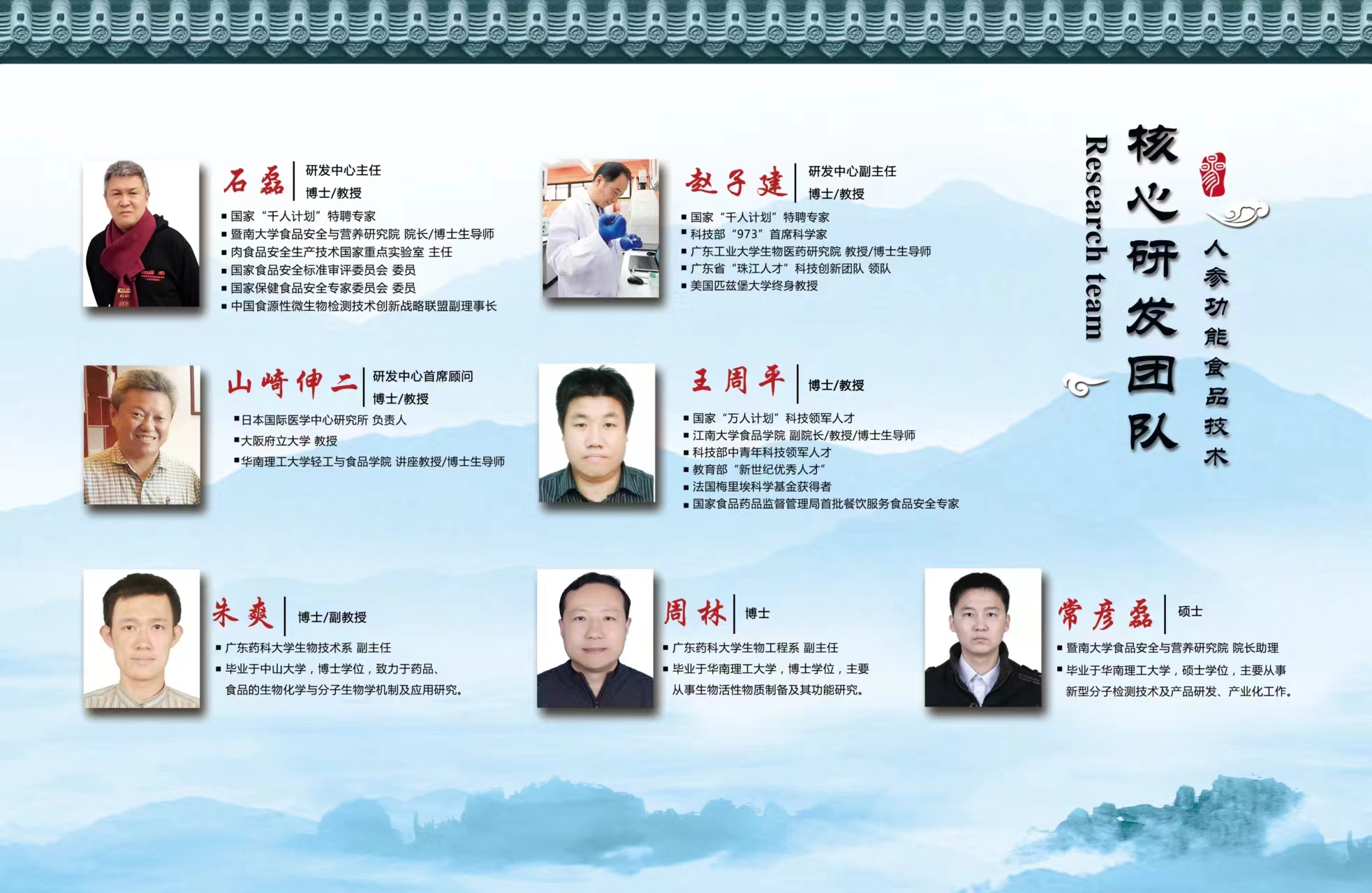
Tin Bo Tong has assembled a scientific research team led by Professor Shi Lei and Professor Zhao Zijian, both distinguished experts under China's National Thousand Talents Plan, to advance the development of Wild-Simulated Ginseng Molecular Reconstruction Technology.
Molecular Reconstruction Process
Using cultivated ginseng as the raw material and wild ginseng biological fingerprints as the reference, the technology applies advanced extraction, enzymatic conversion and molecular reconstruction processes to bring the complex composition and component ratios closer to those of wild ginseng.
Technology Pathway
From Fingerprint to Reconstruction
Biological Fingerprint Analysis of Complex Components
Gas chromatography · Liquid chromatography · Genetic profiling
Comprehensive Extraction and Separation Using Multiple Methods
Water extraction · Alcohol extraction · Supercritical extraction · Ultrasonic extraction
Targeted Enzymatic Bioconversion
Conversion into rare ginsenosides including Rg3, Rh2 and Compound K (CK)
Multi-Target Screening Technology
Molecular-Level Component Reconstruction
Understanding Ginseng Starts with Ginsenosides
Why Study Ginsenosides?
Ginsenosides are among the key active components that have made ginseng an important subject of scientific research. Different types and structures of ginsenosides have distinct characteristics, while factors such as growing environment, age and processing methods can also influence their composition. For this reason, the study, extraction and conversion of ginsenosides have become important areas of modern ginseng research.
01|What Are Ginsenosides?
Ginsenosides are among the most representative active components found in ginseng. They are triterpenoid saponin compounds found primarily in plants of the Panax genus, including Asian ginseng, American ginseng and notoginseng. Many different types have been identified, including commonly found ginsenosides such as Rb1, Rg1, Re and Rd, as well as lower-abundance ginsenosides such as Rg3, Rh2 and Compound K (CK).
02|Why Are There So Many Types of Ginsenosides?
The differences between ginsenosides arise primarily from their molecular structures, including the number, type and attachment positions of their sugar groups. These subtle structural differences can influence their physicochemical properties, bioavailability and how they are studied.
03|Why Are Rare Ginsenosides an Important Area of Research?
Ginsenosides do not occur in natural ginseng in equal proportions. Rb1, Rb2, Rc, Rd, Re and Rg1 are generally more common, while rare ginsenosides such as Rg3, Rh2 and Compound K (CK) occur at relatively lower levels. For this reason, the targeted conversion of ginsenosides through modern technologies has become an important area of ginseng research.
04|Why Is Wild-Simulated Ginseng Molecular Reconstruction Technology Important?
In the natural environment, the composition of ginseng changes according to its growing conditions, age and metabolic processes. Precious wild ginseng requires a long natural growth cycle and is extremely scarce. Tin Bo Tong's research team uses cultivated ginseng as the raw material and wild ginseng biological fingerprints as the reference to enhance the potential application value of cultivated ginseng through modern technology.
Quality Assurance
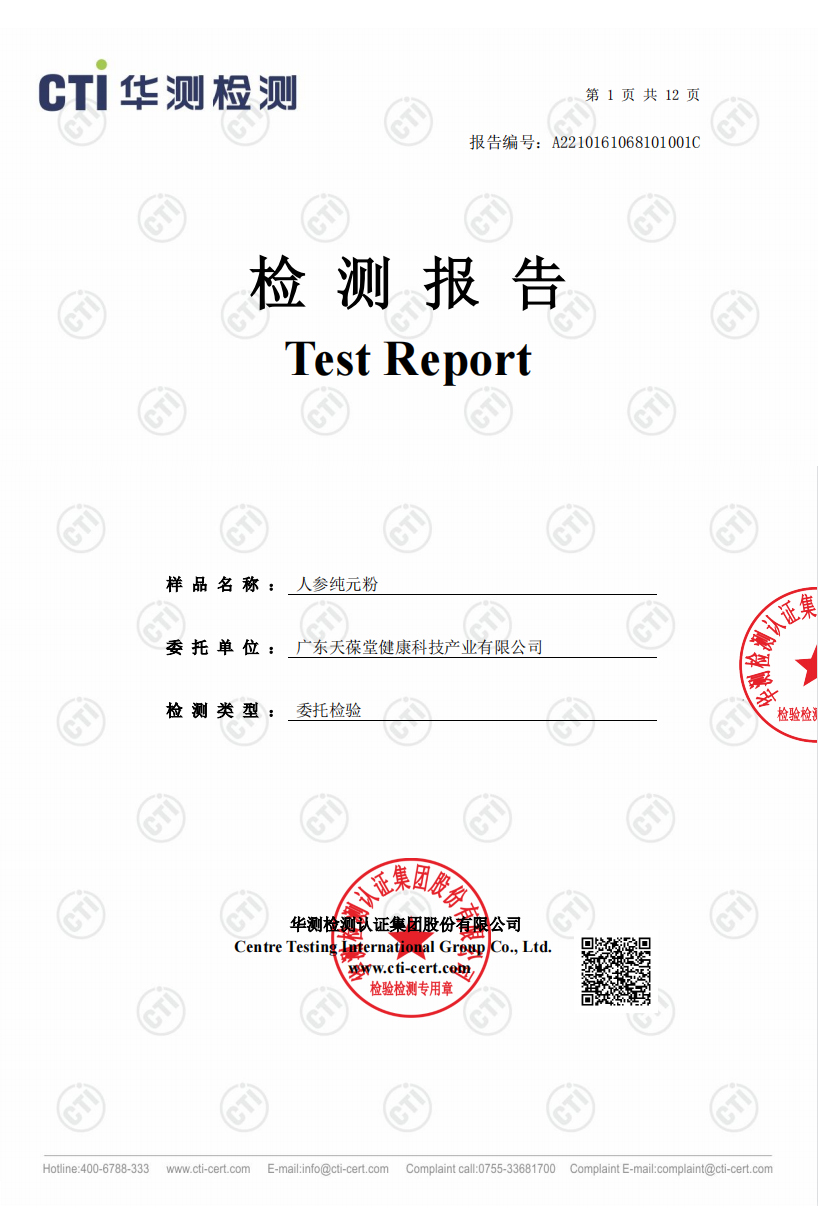
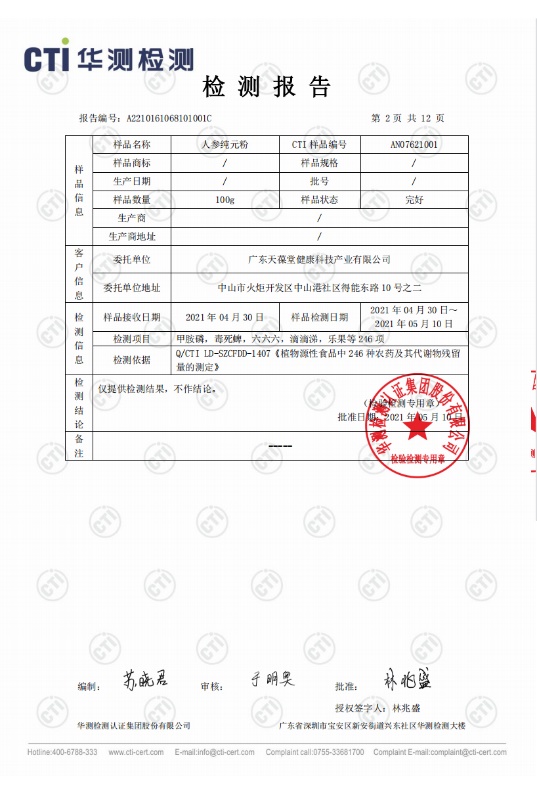
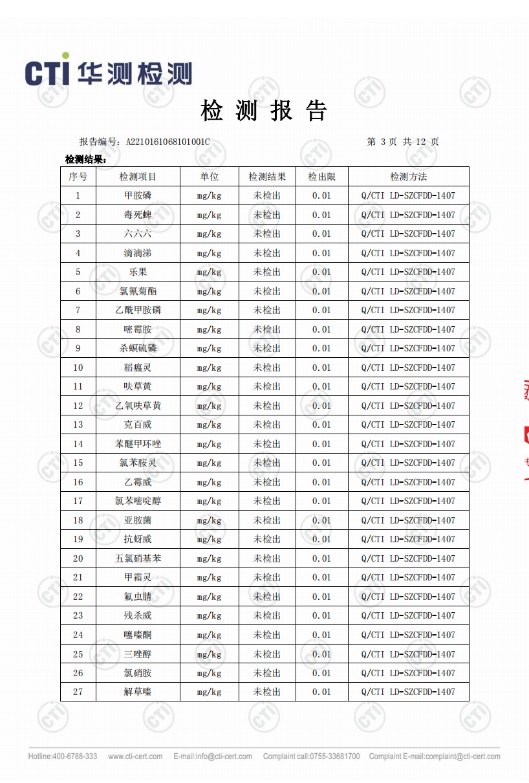
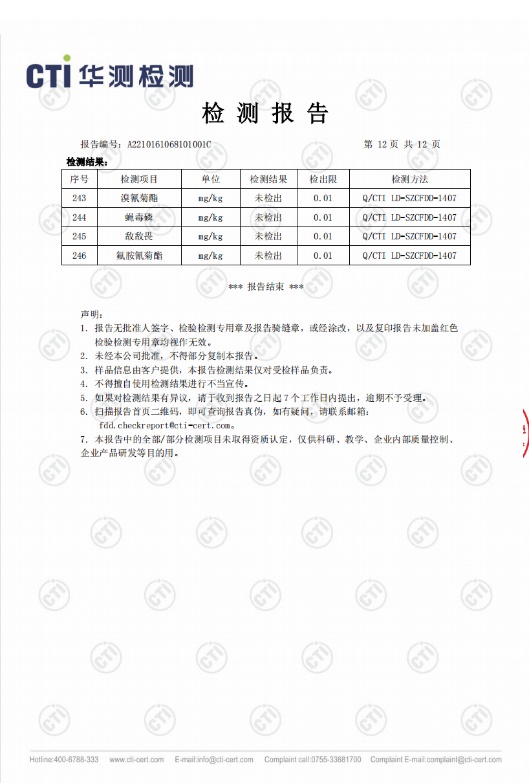
Test Report for 246 Pesticide Residues
Every batch is tested against 246 pesticide residue indicators by CTI (Centre Testing International Group), an independent third-party laboratory — with no residues detected.
Research Team
National Thousand Talents Plan Experts
Tin Bo Tong's R&D Center brings together specialists in food safety, nutrition and biomedicine — including several distinguished experts under China's National Thousand Talents Plan — to advance ginseng functional food technology.
Intellectual Property
Patented Technologies
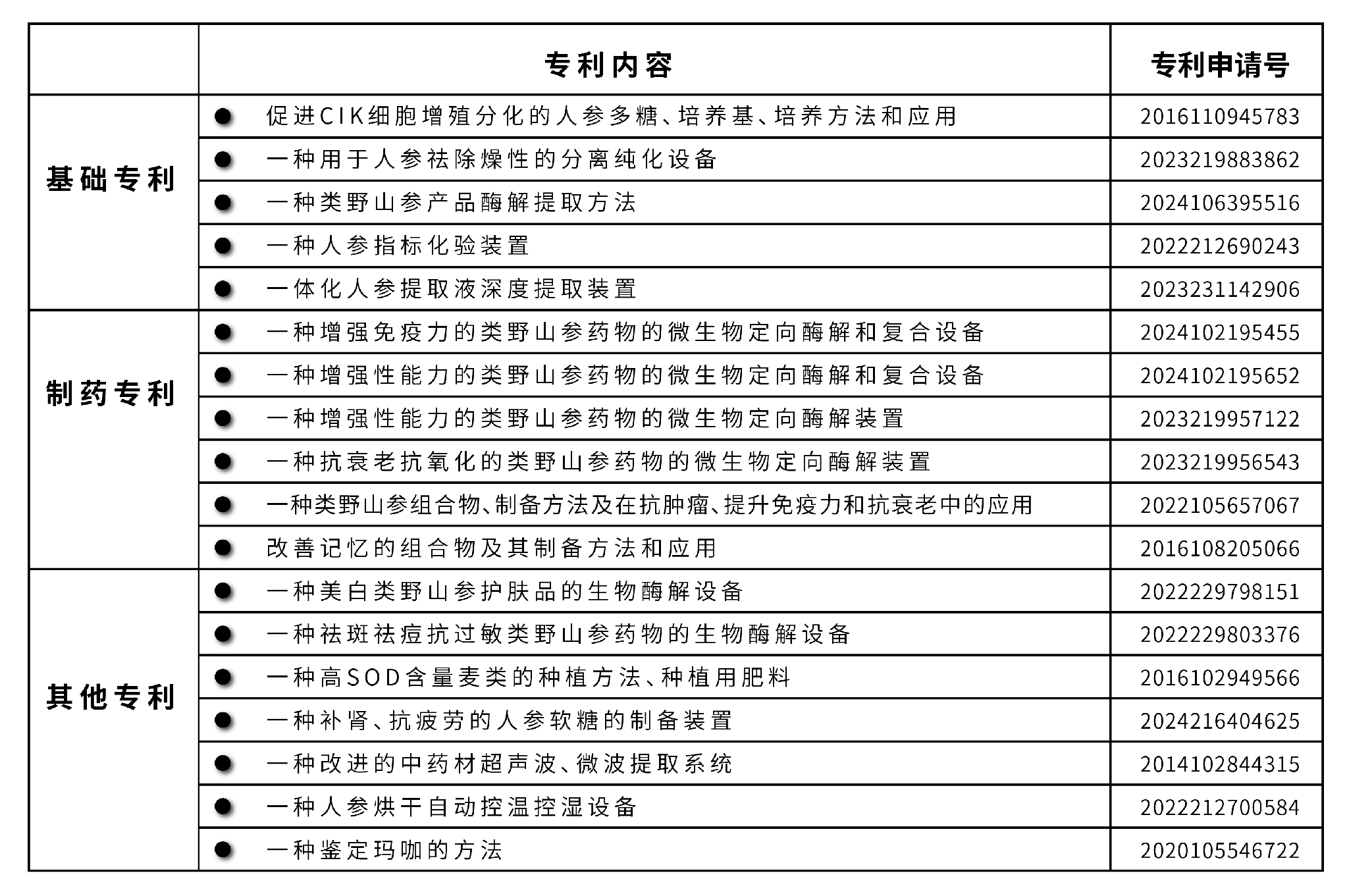
Tin Bo Tong holds 18 national patents and 6 pharmaceutical patents spanning foundational extraction technologies, pharmaceutical applications and other product innovations.
Trusted Partnerships
Advancing Ginseng Science with National-Level Research Expertise
18 National Patents · 6 Pharmaceutical Patents · Wild-Simulated Ginseng Molecular Reconstruction Technology.
Explore the Collection